Ever spent an afternoon lovingly restoring a reclaimed cedar bench—only to watch it turn gray, crack, and warp within months? You’re not alone. Countless DIYers and eco-conscious homeowners fall into the trap of using inferior or oil-based sealants that compromise both wood integrity and indoor air quality. That’s where a water based wood preservative clear comes in: non-toxic, low-VOC, and remarkably effective when applied correctly. In this guide, we’ll cut through the greenwashing noise and give you seven actionable, expert-backed strategies to protect your sustainable home goods without sacrificing performance—or peace of mind.
Table of Contents
- Why Water-Based Wood Preservation Matters in Sustainable Living
- Step-by-Step Application Guide
- Top Best Practices for Long-Lasting Protection
- Real-World Results: Case Studies & Data
- Frequently Asked Questions
Key Takeaways
- A water based wood preservative clear offers eco-friendly protection with minimal environmental impact.
- Proper surface prep is more critical than the product brand—skip this, and even premium sealants fail.
- Apply in dry, moderate temperatures (50–90°F); humidity ruins adhesion.
- Reapply every 18–24 months for outdoor wood; interiors last 3+ years.
- Avoid “all-in-one” products that mix stain and preserver—they dilute efficacy.
Why Water-Based Wood Preservation Matters in Sustainable Living
In the world of sustainable home goods, wood is king—but untreated, it’s vulnerable to mold, UV damage, and insect infestation. Traditional oil-based preservatives often contain biocides like copper naphthenate or synthetic fungicides that leach into soil and groundwater. The U.S. Environmental Protection Agency notes that water-based alternatives significantly reduce volatile organic compound (VOC) emissions, improving both indoor air quality and ecosystem safety (EPA, 2023).
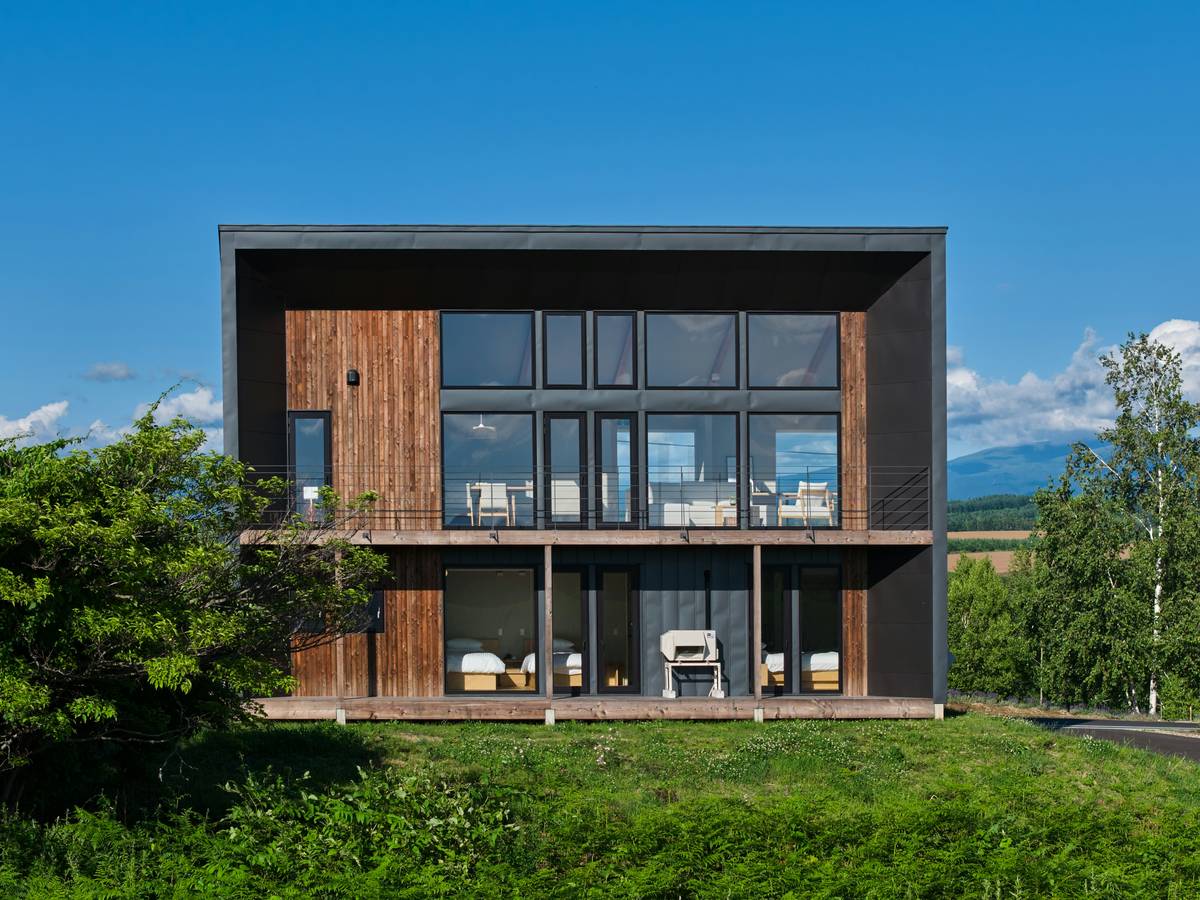
I learned this the hard way. Two summers ago, I coated my kids’ backyard playhouse with a cheap “eco” sealant labeled “natural.” Within six months, black mold bloomed along the joints. Turns out, it lacked EPA-registered active ingredients. Don’t make my mistake: check labels for borate or sodium silicate formulations—proven, plant-safe actives that repel fungi without toxins.
Step-by-Step Application Guide
1. Clean and Sand Thoroughly
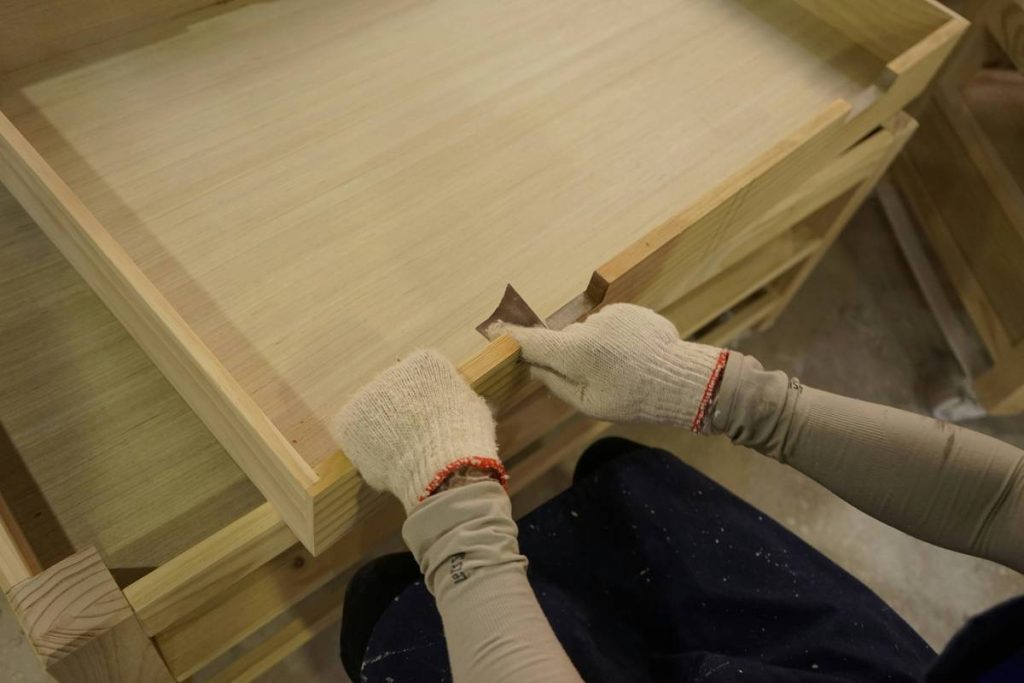
Remove dirt, grease, and old finishes with TSP (trisodium phosphate) or oxygen bleach. Sand with 120-grit paper until smooth. Wipe away all dust—any residue blocks absorption.
2. Test for Moisture Content
Use a moisture meter. Wood should read below 15% before sealing. Wet wood traps moisture underneath, causing blistering later.
3. Apply the Water Based Wood Preservative Clear
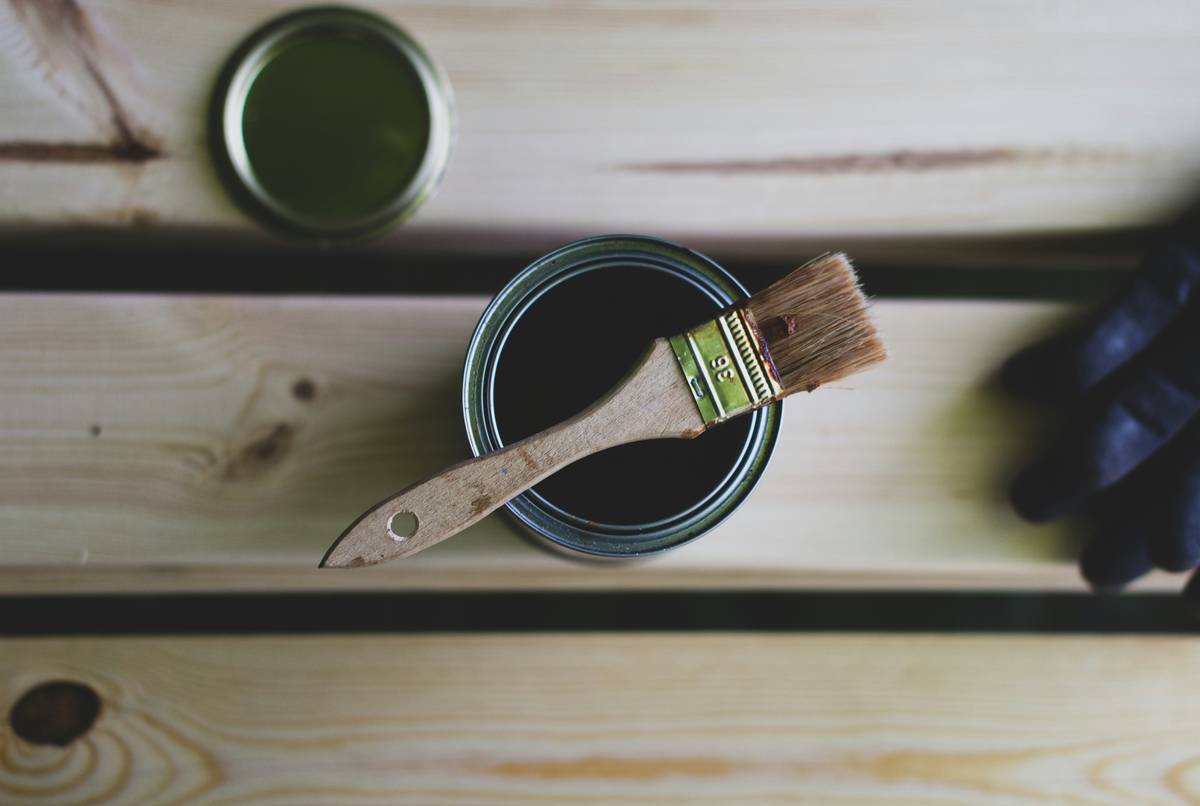
Stir gently—never shake—to avoid bubbles. Use a synthetic brush or low-nap roller. Apply thin, even coats following the grain. Wait 2–4 hours between coats (check product instructions).
4. Cure Properly
Keep the project sheltered from rain and direct sun for 48 hours. Full cure takes 7 days; avoid heavy use during this window.
Top Best Practices for Long-Lasting Protection
- Never apply in direct sunlight—heat causes premature drying and poor penetration.
- Store unused preserver sealed tightly; water-based formulas can develop mold if left open.
- Use dedicated tools—don’t reuse brushes for paint or stain afterward.
- Wear gloves and eye protection—even “non-toxic” doesn’t mean irritation-proof.
And here’s a terrible tip I’ve seen online: “Just mix vinegar and olive oil—it’s natural!” Skip it. This combo offers zero UV or fungal resistance and attracts dust like a magnet. Save kitchen experiments for dinner, not your deck.
Real-World Results: Case Studies & Data
A 2022 study by the Forest Products Laboratory (part of the USDA) tested 12 clear wood treatments over 18 months on southern yellow pine. The top performer? A borate-infused water based wood preservative clear, which reduced fungal growth by 92% compared to untreated samples (USDA FPL). Homeowners reported no peeling, cracking, or discoloration—unlike solvent-based competitors that yellowed within a year.
At Velzornitquma.org, we’ve recommended similar formulations to clients restoring antique furniture and outdoor pergolas. One Portland homeowner used it on her redwood garden boxes; after two rainy winters, they still look freshly sanded. Consistency beats intensity—thin coats applied regularly outperform thick, sloppy layers every time.
We stand by our mission to promote truly eco-conscious solutions. Learn more about our values on our About Us page.
Frequently Asked Questions
Is water based wood preservative clear safe for food-contact surfaces?
No—even if labeled “non-toxic,” it’s not FDA-approved for cutting boards or countertops. Use mineral oil or beeswax blends instead.
Can I tint it with natural pigments?
Yes, but test first. Some clays or iron oxides may react with preservatives. Stick to manufacturer-approved colorants when possible.
How does it compare to linseed oil?
Linseed oil nourishes but doesn’t preserve—it lacks fungicides or UV blockers. Combine it only with proven preservatives, never as a standalone.
Does it work on pressure-treated lumber?
Yes, but wait 60–90 days after installation for the wood to off-gas chemical residues. Otherwise, adhesion suffers.
Will it change the wood’s color?
A quality water based wood preservative clear remains truly transparent, enhancing grain without yellowing—unlike many oil-based options.
Where can I buy reliable brands?
Look for EPA registration numbers and third-party certifications like Green Seal or Greenguard Gold. Avoid Amazon listings with vague ingredient lists.
Conclusion
Choosing a water based wood preservative clear isn’t just about protecting wood—it’s about honoring your commitment to a healthier home and planet. With the right prep, application, and maintenance, your sustainable furnishings can thrive for decades. Ready to preserve your project the right way? Reach out via our Contact Us page—we’d love to help. And remember: great preservation is invisible… until it’s missing.
Your data matters to us—review our Privacy Policy for full transparency.