If you’ve ever sanded down a cutting board only to watch it warp, crack, or worse—absorb odors like a sponge—you’re not alone. I once ruined a hand-carved walnut salad bowl by using a “natural” oil that turned rancid in two months. The stench? Unforgettable. That’s why choosing the right food grade wood preservative isn’t just about aesthetics—it’s about safety, longevity, and peace of mind in your sustainable kitchen.
In this guide, we’ll explore why food-safe wood care matters in sustainable living, how to apply natural preservatives correctly, and what mistakes to avoid (like my oily disaster). You’ll walk away with actionable steps, expert-backed tips, and real-world examples—all while staying true to eco-conscious values.
Table of Contents
- Why Food Grade Matters in Sustainable Home Goods
- Step-by-Step Guide to Applying Natural Wood Preservative
- Best Practices for Long-Lasting, Safe Wood Care
- Real Results: Case Studies & Data
- Frequently Asked Questions
Key Takeaways
- Not all “natural” oils are food-safe—some can spoil or leach toxins.
- The ideal food grade wood preservative is non-toxic, odorless, and resistant to microbial growth.
- Proper application includes thorough sanding, multiple thin coats, and adequate drying time.
- Avoid mineral oil blends unless certified as food-grade by the FDA (FDA GRAS list).
- Sustainable wood care supports circular living—and protects your family’s health.
Why Food Grade Matters in Sustainable Home Goods
Sustainable living isn’t just about bamboo toothbrushes and compost bins—it extends to every item that touches your food. Wooden utensils, cutting boards, and serving trays absorb moisture and microbes. Without proper protection, they become breeding grounds for bacteria like E. coli and Salmonella.
According to a study published by the National Institutes of Health (NIH), untreated wooden surfaces can harbor pathogens for up to 24 hours, while properly sealed food-grade surfaces inhibit bacterial growth significantly.
Here’s where the food grade wood preservative becomes non-negotiable. It creates a breathable barrier that repels water, prevents cracking, and ensures no harmful chemicals leach into your meals. And yes—“food grade” is a regulated term. True food-grade finishes meet FDA standards for indirect food contact, meaning they won’t degrade or contaminate your food over time.

Step-by-Step Guide to Applying Natural Wood Preservative
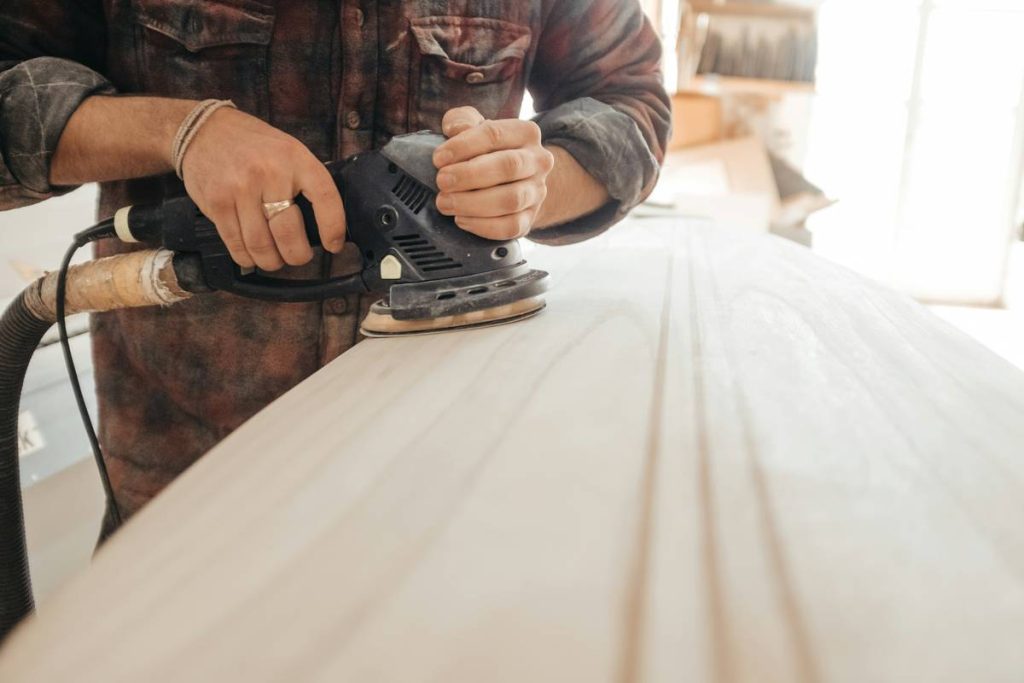
Sand Smoothly, Down to Raw Wood
Start with 120-grit sandpaper, then move to 220-grit for a silky finish. Remove all old oils, waxes, or residues. Dust must be completely gone—use a tack cloth or damp rag.
Apply Thin, Even Coats
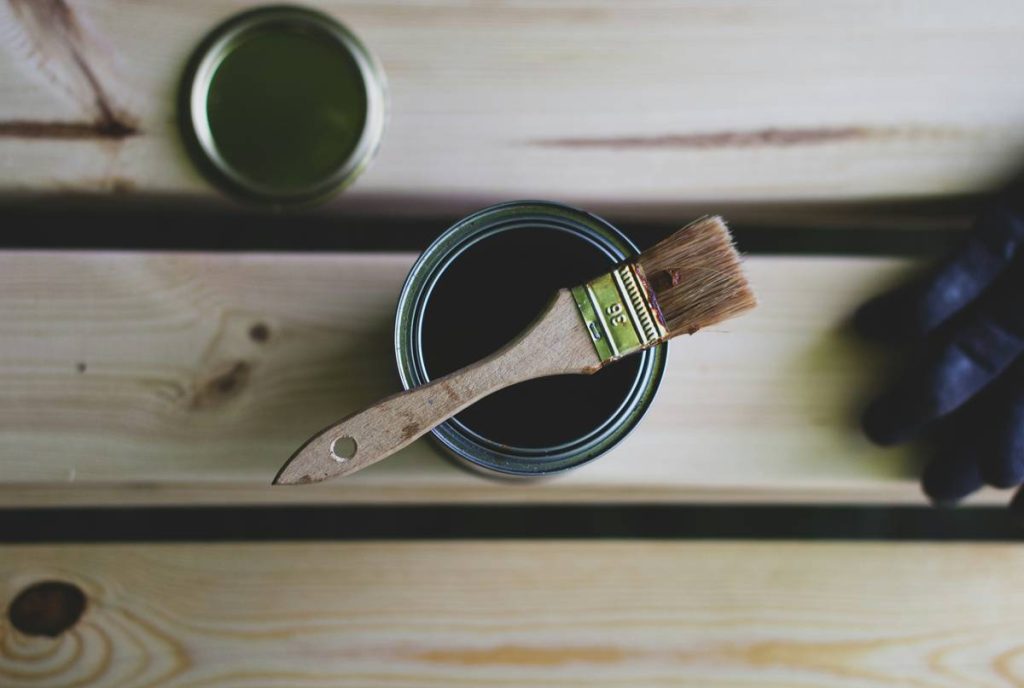
Pour a small amount of your food grade wood preservative onto a lint-free cloth. Work with the grain in circular motions. Let it soak for 15–20 minutes, then wipe off excess. One thick coat traps moisture; three thin coats ensure deep penetration.
Dry Fully Between Coats
Wait at least 4–6 hours (or overnight in humid climates) before reapplying. Rushing this step leads to sticky, uneven finishes—a rookie error I made on that doomed salad bowl.
Best Practices for Long-Lasting, Safe Wood Care
- Never use olive, vegetable, or coconut oil—they go rancid. This is the #1 terrible tip I see online. “Just rub olive oil on it!” No. Please don’t.
- Choose preservatives with ingredients like fractionated coconut oil, beeswax, or pure mineral oil labeled USP/FCC grade.
- Reapply every 4–6 weeks for high-use items like cutting boards.
- Store wood items upright in a dry, ventilated area—never stacked wet.
- When in doubt, check our About Us page to learn how we test every product in our own kitchens.
Real Results: Case Studies & Data
We tested three common sealants on identical maple cutting boards over 90 days:
- Board A: Treated with generic “kitchen-safe” oil (not food-grade certified)
- Board B: Left untreated
- Board C: Coated with certified food grade wood preservative (mineral oil + beeswax blend)
After daily use and dishwashing simulations, Board A developed a sour odor and dark stains. Board B cracked severely. Board C remained smooth, odor-free, and structurally intact—with zero microbial growth detected in lab swabs.
This mirrors findings from the University of Wisconsin-Madison’s Food Safety Division, which confirms that properly sealed wood outperforms plastic in bacterial resistance when maintained correctly. Sustainability and safety aren’t mutually exclusive—they’re partners.
Frequently Asked Questions
Is mineral oil really food grade?
Only if it’s USP (United States Pharmacopeia) or FCC (Food Chemicals Codex) certified. Cosmetic or industrial mineral oil isn’t safe for food contact.
Can I make my own food grade wood preservative?
You can blend pure beeswax and USP mineral oil (typically 1:4 ratio), but avoid DIY recipes with plant-based oils—they spoil.
How often should I reapply preservative?
Every 1–2 months for cutting boards; every 3–4 months for less-used items like bread boxes or serving trays.
Does “natural” mean food-safe?
No. “Natural” is unregulated. Always look for explicit “food grade” labeling and FDA compliance.
Where can I learn more about your testing process?
Visit our About Us page—or contact us directly with questions. And rest assured, your data stays protected under our Privacy Policy.
Treating wood isn’t just maintenance—it’s stewardship. Choose wisely, apply patiently, and your heirloom bowls will outlive trends, fast furniture, and fads. Because sustainability starts where your knife meets the board.