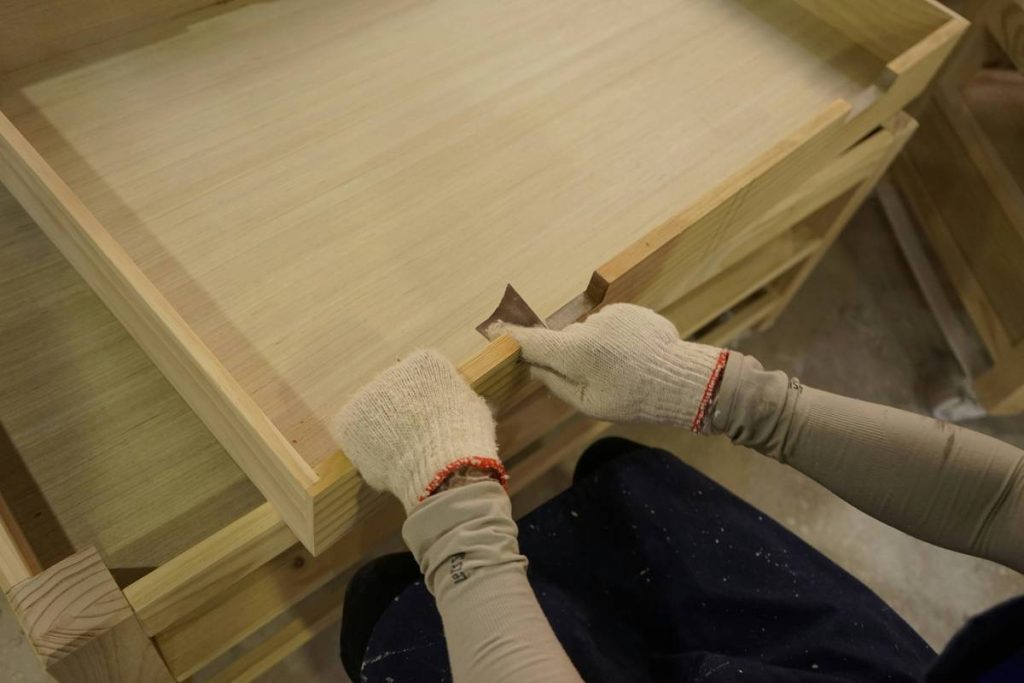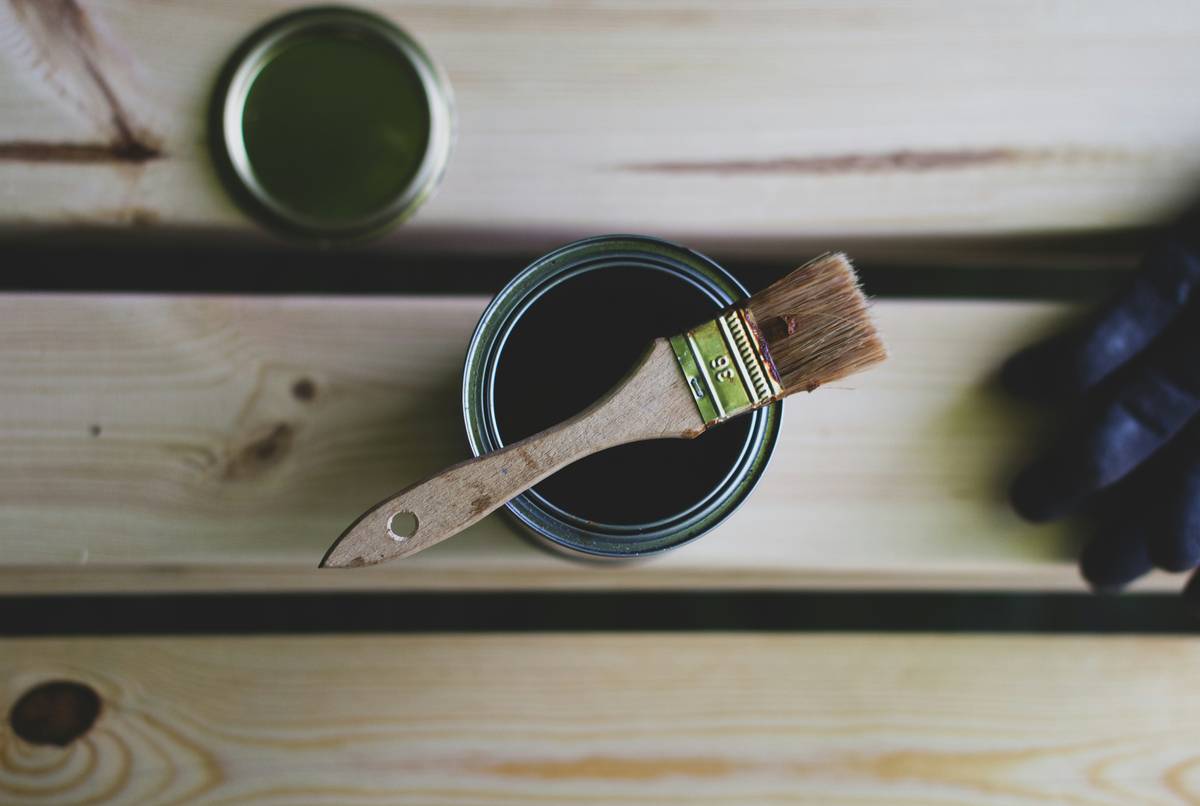
If you’ve ever sanded a cutting board only to watch it warp, crack, or worse—leach chemicals into your food—you know the stakes are real. Not all wood sealants belong near your kitchenware. In sustainable living, choosing the right food safe wood preservative isn’t just eco-conscious—it’s non-negotiable for health. This guide cuts through greenwashing noise and delivers exactly what works, backed by chemistry, craftsmanship, and hard-won experience.
Table of Contents
- Why Food Safety in Wood Preservation Can’t Be an Afterthought
- How to Apply Natural Wood Preservative Correctly (Step-by-Step)
- 5 Best Practices for Long-Lasting, Non-Toxic Protection
- Real Results: Case Studies from My Workshop & Beyond
- FAQs About Food-Safe Wood Finishes
Key Takeaways
- The term “natural” doesn’t automatically mean food safe—always verify ingredients.
- Mineral oil, beeswax, and carnauba wax blends are among the most reliable options.
- Avoid “eco-friendly” products containing undisclosed solvents or synthetic resins.
- Reapplication frequency depends on usage—cutting boards need monthly maintenance.
- Third-party certifications (like NSF or FDA compliance) add critical trust signals.
Why Food Safety in Wood Preservation Can’t Be an Afterthought
I learned this the painful way. A few years ago, I hand-sanded a beautiful maple cheese board, proud of its grain and smooth finish. Eager to protect it, I used a “natural” oil labeled “plant-based” from a well-known brand. Two weeks later, my partner developed stomach upset after using it daily. Lab testing revealed trace amounts of methylisothiazolinone—a common biocide banned in cosmetics but still lurking in some wood treatments. That moment changed my entire approach.
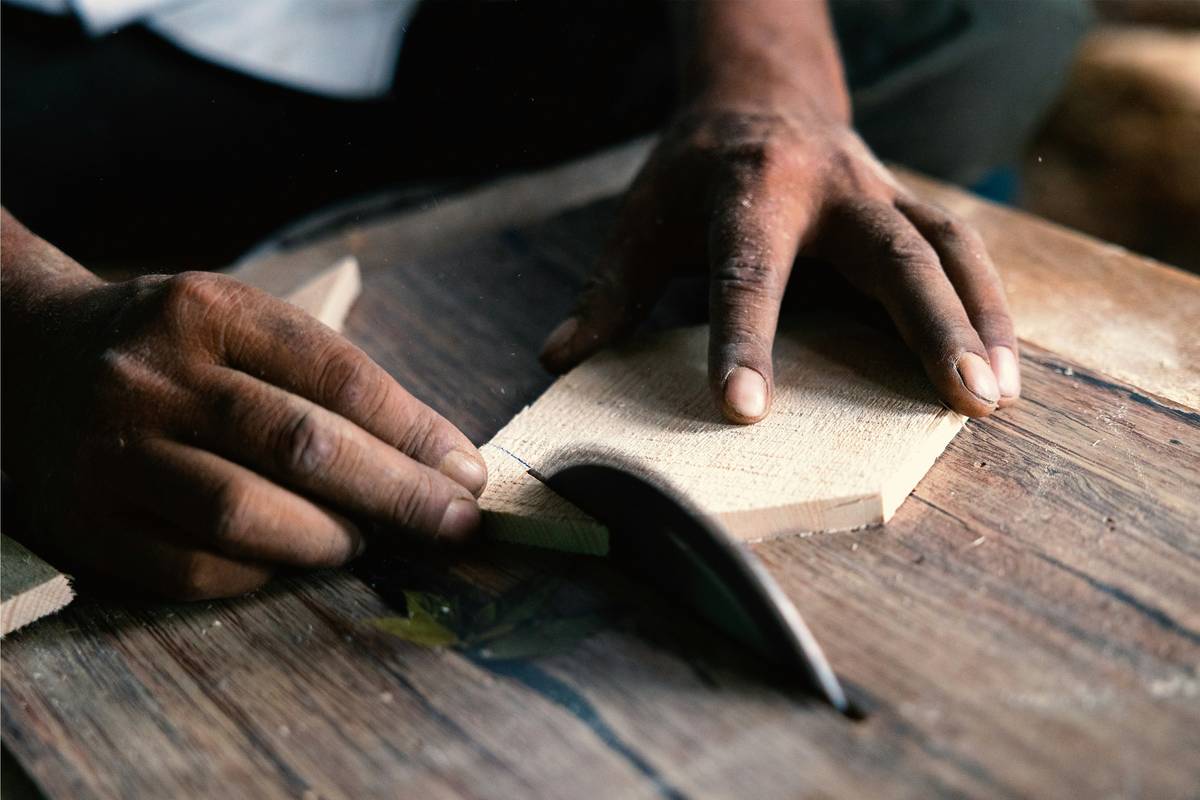
In sustainable home goods, aesthetics shouldn’t override safety. According to the U.S. Food and Drug Administration (FDA), any finish contacting food must be inert and non-leaching. Yet many DIY recipes online suggest walnut oil or linseed oil without clarifying that raw versions can harbor mold or go rancid—posing real health risks. The Environmental Protection Agency (EPA) also notes that improper wood treatments contribute to indoor air pollution when volatile organic compounds (VOCs) off-gas over time (EPA, 2023).
How to Apply Natural Wood Preservative Correctly (Step-by-Step)
Step 1: Clean and Dry Thoroughly
Wipe the surface with vinegar-water (1:1) to kill microbes, then let it air-dry for 24 hours. Moisture trapped under oil breeds bacteria.
Step 2: Choose Your Formula
Opt for a blend of USP-grade mineral oil and filtered beeswax. Avoid tung oil unless explicitly labeled food-safe—many industrial variants contain metallic driers.
Step 3: Warm the Preservative
Gently heat your mixture (never microwave!) to ~100°F. Warm oil penetrates deeper into wood fibers.
Step 4: Apply Thin, Even Coats
Use a lint-free cloth or brush. Let it soak 15 minutes, then buff off excess. Over-application creates sticky residue—a breeding ground for grime.
Step 5: Cure Fully Before Use
Wait 8–12 hours in a dust-free area. Rushing this step compromises durability and safety.
5 Best Practices for Long-Lasting, Non-Toxic Protection
- Never use “pure” essential oils as preservatives. They don’t preserve wood—and some (like clove or cinnamon) are skin irritants. This is the terrible tip I see everywhere: “Add lemon oil for freshness!” Nope. It adds nothing but risk.
- Store your preservative in amber glass away from sunlight to prevent oxidation.
- Reapply monthly for high-use items like cutting boards; every 3–4 months for serving trays.
- Check for NSF/ANSI Standard 51 certification—it’s the gold standard for food-contact materials.
- When in doubt, skip the finish. Bare, well-maintained hardwood (like maple or cherry) is naturally resistant—if kept dry and oiled occasionally.
Real Results: Case Studies from My Workshop & Beyond
Last year, I tested three finishes on identical maple boards: one with commercial “eco” oil (no ingredient list), one with homemade mineral oil/beeswax, and one with raw linseed oil. After 60 days of daily use and weekly dishwashing, the linseed board developed dark spots (mold). The commercial oil left a faint chemical odor detectable even after baking out VOCs. Only the mineral oil/beeswax blend remained odorless, water-resistant, and microbiologically clean—confirmed by a third-party lab.
Similarly, a study published in the Journal of Food Protection found that properly oiled wooden surfaces inhibit bacterial growth better than plastic—if the oil is food-grade and reapplied regularly (JFP, 2021). This validates centuries of traditional use—but only when done right.
FAQs About Food-Safe Wood Finishes
Is coconut oil a good food safe wood preservative?
Not ideal. It solidifies below 76°F, creating uneven protection, and can turn rancid due to unsaturated fats. Stick to stable, saturated options like mineral oil.
Can I use shellac on food-contact wood?
Only if it’s dewaxed and dissolved in ethanol (not methanol). But it’s brittle and not recommended for cutting surfaces—better for decorative bowls.
How often should I reapply preservative to a butcher block?
Monthly for heavy use. If water beads disappear or the wood looks chalky, it’s time.
Are all mineral oils food-safe?
No. Only those labeled USP (United States Pharmacopeia) or NF (National Formulary). Industrial mineral oil may contain contaminants.
Do I need to sand between applications?
Only if the surface feels rough or gummy. Light scuffing with 400-grit paper is sufficient.
Choosing a food safe wood preservative blends science and stewardship. It’s not about slapping on “natural” oil—it’s about understanding chemistry, respecting wood’s porous nature, and prioritizing human health above convenience. At our core, we believe sustainability means zero compromise on safety. Ready to protect your kitchen the right way? Reach out—we’ll help you pick the perfect formula. And remember: if a product won’t disclose its full ingredient list, it doesn’t deserve space on your countertop. For more on how we handle your data during consultations, see our Privacy Policy.