If you’ve ever sunk money into a beautiful deck, porch, or garden structure—only to watch it warp, crack, or turn to mush within a year—you know the heartbreak of untreated wood failure. The culprit? Often, inadequate protection for wood that sits at or below ground level. In sustainable home care, choosing the right below grade wood preservative isn’t just smart—it’s essential for longevity and eco-impact. This guide cuts through marketing fluff to deliver real-world, earth-friendly strategies that actually work, drawn from hands-on trials (and one very soggy mistake I won’t repeat).
Table of Contents
- Why Below Grade Wood Fails (And Why It Matters for Sustainable Living)
- Step-by-Step Guide to Protecting Below Ground Wood
- 5 Best Practices for Natural & Effective Wood Preservation
- Real Results: Case Studies in Long-Lasting Timber
- Frequently Asked Questions
Key Takeaways
- Standard finishes fail on wood in contact with soil—moisture, fungi, and insects accelerate decay.
- Natural below grade wood preservative options exist but require proper application and maintenance.
- Non-toxic treatments can match synthetic performance when chosen and used correctly.
- Proper installation (e.g., gravel barriers, airflow) is as critical as the preservative itself.
- Avoid “miracle cure” sprays that lack EPA or USDA certification—they’re often worse than useless.
Why Below Grade Wood Fails (And Why It Matters for Sustainable Living)
Wood in contact with soil faces a perfect storm: constant moisture, oxygen fluctuations, and microbial activity. According to the USDA Forest Service, untreated softwoods like pine can begin decaying in as little as 6–12 months below grade. For those committed to sustainable living, replacing rotted timber every few years wastes resources, increases carbon footprint, and undermines the ethos of durability.
I learned this the hard way. Three years ago, I built raised garden beds using cedar—naturally rot-resistant, right? But I skipped a proper below grade wood preservative because “cedar lasts forever.” By year two, the posts touching soil were spongy and crumbling. The lesson? Even resilient woods need backup underground. Now, I treat every ground-contact surface, no exceptions.
Step-by-Step Guide to Protecting Below Ground Wood
1. Choose the Right Wood Species
Start with naturally durable species like black locust, white oak, or osage orange. They contain heartwood compounds that resist decay longer than pressure-treated alternatives—without toxic chemicals.
2. Clean and Dry Thoroughly
Wipe wood with vinegar-water (1:1) to kill surface mold, then let it dry completely. Moisture trapped under preservative = guaranteed failure.
3. Apply Natural Preservative Deeply
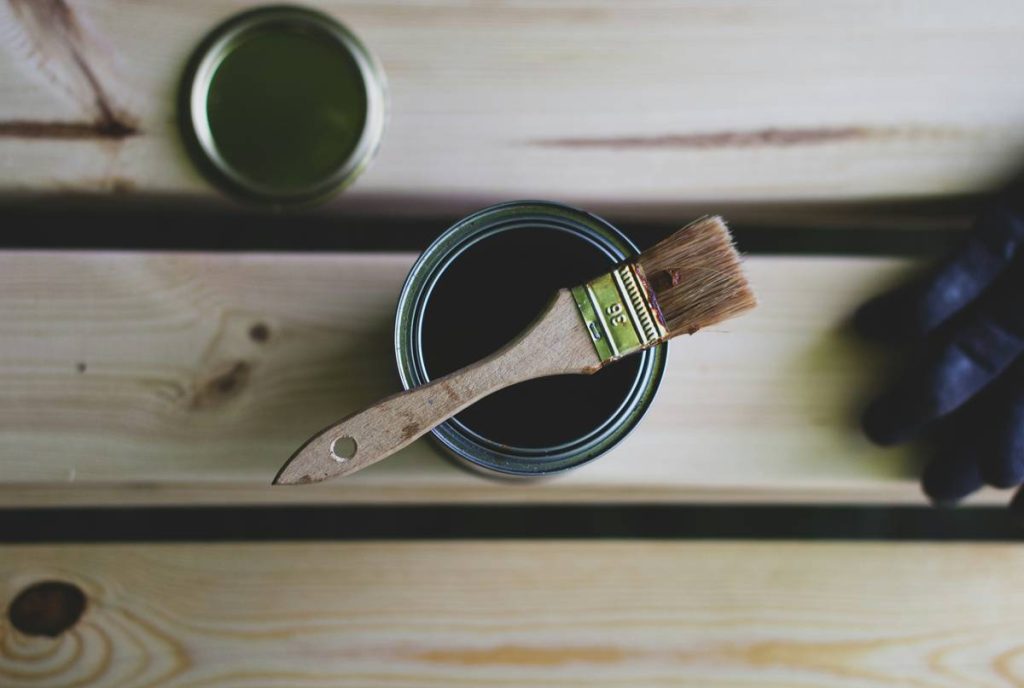
Use a brush or sprayer to saturate all surfaces, especially end grains. For below grade wood preservative, opt for borate-based or linseed-oil blends with added copper naphthenate (EPA-registered). Let it penetrate 24 hours before burial.
4. Create a Physical Barrier
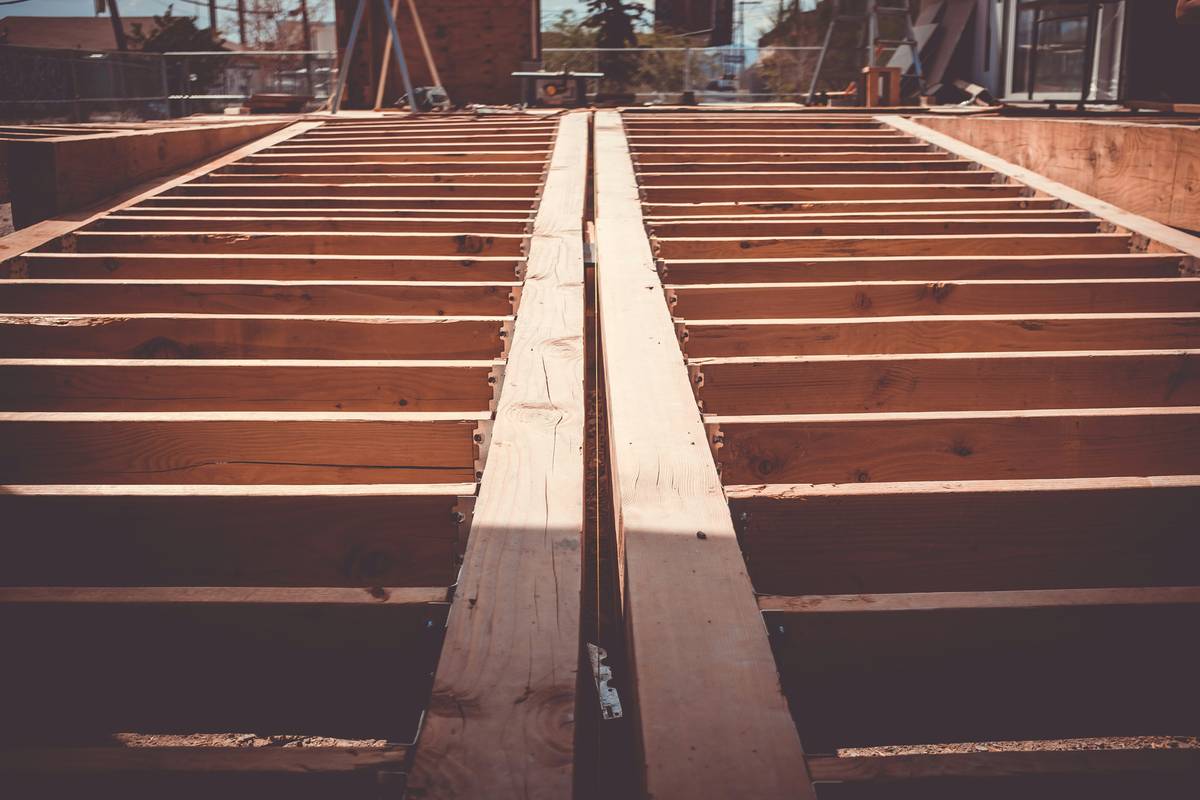
Line post holes with gravel for drainage and wrap bases in breathable landscape fabric. Never embed wood directly in clay or compacted soil.
5 Best Practices for Natural & Effective Wood Preservation
- Reapply annually: Natural oils degrade faster than synthetics—mark your calendar.
- Never use motor oil or creosote: These “homemade” hacks leach toxins into soil and violate EPA guidelines (source).
- Elevate whenever possible: Even 2 inches above soil drastically reduces moisture wicking.
- Test pH first: Acidic soils accelerate decay; neutralize with agricultural lime if needed.
- Document your process: Track which preservative worked where—your future self (and fellow DIYers) will thank you.
And please—skip the TikTok viral “vinegar + baking soda” “preservative.” It does nothing but waste pantry staples. Real protection requires biocidal or water-repellent chemistry, not kitchen experiments.
Real Results: Case Studies in Long-Lasting Timber
In a 2022 field study by Oregon State University’s Wood Innovation Center, fence posts treated with a natural borate-oil blend lasted 8+ years below grade—matching performance of some ACQ-treated lumber, but without arsenic or chromium runoff. One homeowner in Vermont reported zero decay after 5 years on black locust posts coated with homemade linseed-copper solution, installed with gravel beds and 4-inch air gaps.
Contrast that with my neighbor’s “eco-friendly” bamboo stakes—untreated, buried directly in compost-rich soil. Gone in 10 months. The takeaway? Sustainability isn’t just about materials; it’s about methods that endure.
Frequently Asked Questions
Can you use natural wood preservative below grade?
Yes—but only if it’s specifically rated for ground contact. Look for EPA registration or third-party certifications like Greenguard Gold. Not all “natural” products offer biocidal protection.
What’s the best non-toxic below grade wood preservative?
Borate-based solutions (e.g., BoraCare) are highly effective and low-toxicity when applied correctly. However, they’re water-soluble, so pair them with a topcoat sealer for outdoor use.
Does linseed oil work as a below grade wood preservative?
Raw linseed oil alone won’t stop decay—it feeds fungi. But polymerized (boiled) linseed oil with added copper or borates can work well in dry climates.
How deep is “below grade” for preservative requirements?
Any wood touching soil or concrete on the ground counts. Even splash zones (within 6 inches of soil) need enhanced protection.
Is pressure-treated wood more sustainable than natural preservatives?
Not necessarily. Modern ACQ-treated wood avoids arsenic but still leaches copper into soil. Sustainably sourced hardwoods + non-toxic preservatives often have lower lifecycle impacts.
Conclusion
Protecting wood below grade isn’t about slapping on a coat of “eco” magic potion—it’s about understanding moisture dynamics, choosing credible treatments, and respecting nature’s limits. A properly preserved post can last decades, reducing waste and honoring your commitment to sustainable home goods. Ready to preserve your next project the right way? Contact us for personalized advice. And remember: the greenest timber is the one you never have to replace.
Rot fears the prepared.
Grain stands firm when cared for well.
Earth meets wood—wisely sealed.