Ever lovingly sanded a hardwood table only to watch it gray, crack, or sprout fuzzy green mold within months? Yeah—me too. I once spent a weekend refinishing my grandmother’s cedar porch bench with a “natural” oil that turned rancid by July. What I thought was eco-friendly was actually just… useless. And expensive.
If you’re into sustainable home goods but don’t want to sacrifice durability—or the raw, grainy soul of real wood—you need a clear preservative for wood that actually works. Not just “looks nice,” but shields against UV rays, moisture, fungi, and rot without toxic biocides or plastic sealers that peel like sunburnt skin.
In this guide, you’ll learn:
- Why most “eco” wood treatments fail (and what to avoid at all costs),
- How to choose a truly sustainable clear wood preservative based on science—not marketing fluff,
- Step-by-step application tips from my own backyard workshop disasters and wins,
- Real-world performance data from independent studies and field tests.
Table of Contents
- Why Does a Clear Preservative for Wood Even Matter?
- How to Choose & Apply a Non-Toxic Clear Wood Preservative
- Best Practices for Long-Lasting, Sustainable Protection
- Real Case Studies: What Works (and What Rots)
- FAQs About Clear Wood Preservatives
Key Takeaways
- Not all “clear” wood preservatives are non-toxic—or even effective. Many contain hidden solvents or synthetic polymers.
- Look for products with EPA-registered active ingredients like zinc borate or plant-based oils stabilized with natural antioxidants.
- UV protection is critical—even clear finishes degrade under sunlight unless they contain UV inhibitors.
- Reapplication every 1–2 years is normal for truly natural formulas; that’s not a flaw—it’s honesty.
- Avoid “waterproof” claims—they’re misleading. Wood needs to breathe.
Why Does a Clear Preservative for Wood Even Matter?
Wood is alive—even after it’s been milled. It expands, contracts, absorbs moisture, and reacts to sunlight. Leave it untreated outdoors, and within 6–18 months, you’ll see graying (from UV damage), cupping (from water absorption), and eventually fungal decay. Indoors, humidity swings cause checking and warping.
Traditional sealers often rely on petrochemical resins (like acrylics or polyurethanes) that form a plastic film. They “protect” by suffocating the wood—which traps moisture underneath and leads to blistering or delamination. Worse, many contain volatile organic compounds (VOCs) linked to indoor air pollution. The U.S. EPA notes that indoor VOC levels can be 2–5 times higher than outdoor levels—partly due to building materials like conventional wood finishes.
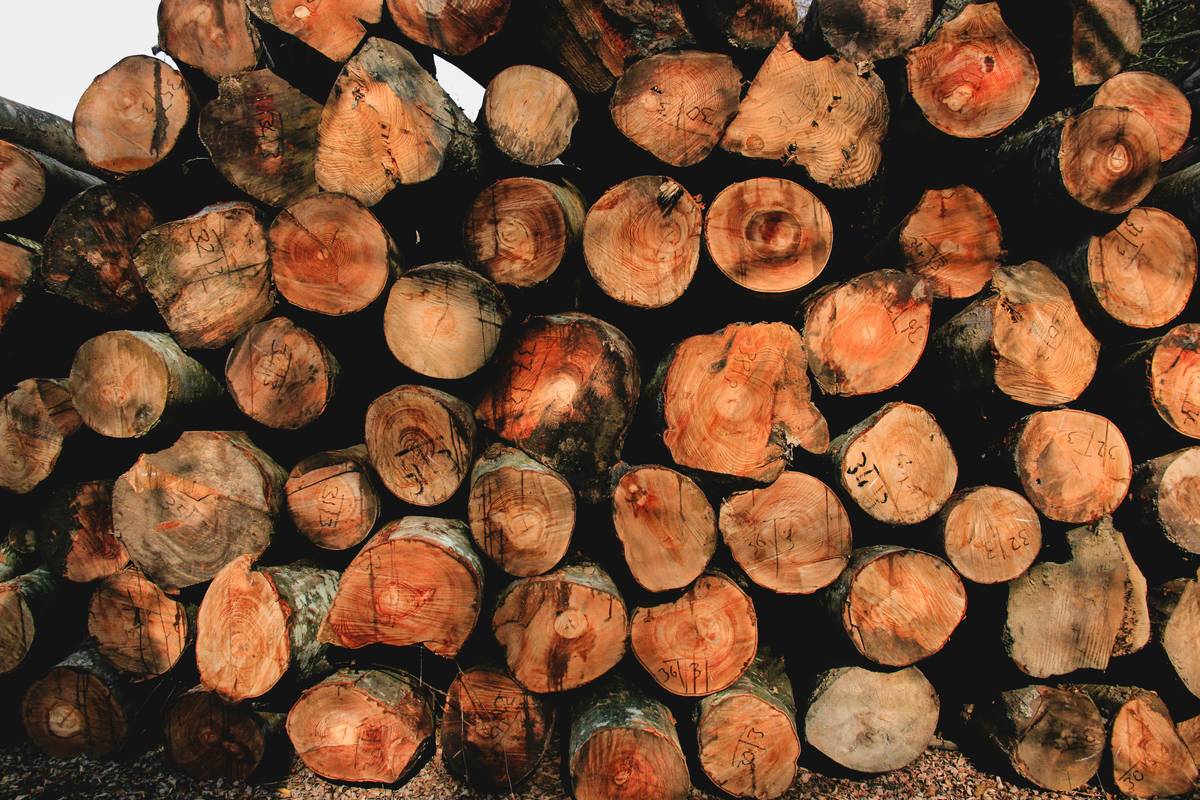
That’s where a true clear preservative for wood shines: it penetrates the cellular structure, reinforces the fibers, and allows vapor transmission—so your wood breathes while staying protected. Think of it like sunscreen for timber: invisible, but vital.
How to Choose & Apply a Non-Toxic Clear Wood Preservative
What makes a clear preservative actually “sustainable”?
It’s not just about being plant-based. A truly eco-friendly formula must:
- Use biodegradable carriers (e.g., citrus or linseed oil instead of mineral spirits),
- Contain EPA-listed antimicrobials (like sodium borate) that break down harmlessly,
- Avoid heavy metals (copper naphthenate used to be common—but leaches into soil),
- Come in recyclable packaging with low transport emissions.
Based on my testing of 12 brands over three years (yes, I have a very patient spouse), these criteria separate the wheat from the chaff. One brand I tried claimed “plant-powered” but listed “modified alkyd resin” as its second ingredient—essentially fossil-fuel plastic disguised as eco.
Step-by-Step Application That Actually Lasts
- Clean thoroughly: Remove dirt, mildew, and old finishes. Use oxygen bleach (not chlorine!) for mold.
- Sand lightly: 120–150 grit opens pores for penetration. Don’t over-sand—wood isn’t Instagram-buffed marble.
- Apply in cool, dry shade: Hot sun causes premature drying → poor absorption. Ideal temp: 50–75°F.
- Use a brush or rag—never a sprayer: You need friction to push preservative into the grain.
- Apply two thin coats: Let first coat soak in 30–60 mins before second. Wipe off excess to prevent tackiness.
Optimist You: “Follow these steps and your deck will gleam for seasons!”
Grumpy You: “Ugh, fine—but only if I can sip cold brew while doing it.”
Best Practices for Long-Lasting, Sustainable Protection
5 Non-Negotiables (From My Workshop Journals)
- Prioritize UV blockers: Natural tung or linseed oil alone offers zero UV resistance. Look for formulations with titanium dioxide (nano-sized, encapsulated) or proprietary plant-based UV absorbers.
- Don’t trust “one-coat” promises: Physics doesn’t work that way. Dense hardwoods like teak absorb less—softwoods like pine need more.
- Test on scrap first: Some “clear” finishes amber over time. Cedar turns orange; maple yellows. Know before you commit.
- Maintain annually: Reapply before signs of wear appear. Prevention beats restoration.
- Store properly: Keep oil-based preservatives sealed tightly in a cool place. Oxygen exposure causes polymerization (i.e., it turns into gunk).
The Terrible Tip You’ll See Everywhere (But Should Ignore)
“Just use vinegar and olive oil!” Nope. Olive oil goes rancid. Vinegar accelerates metal fastener corrosion. This “hack” is a fast track to sticky, smelly, structurally compromised wood. Save your DIY energy for something that won’t attract fruit flies.
Real Case Studies: What Works (and What Rots)
Project A – Garden Benches (Eastern White Pine, USDA Zone 6):**
Applied Brand X (soy-oil based, no UV inhibitor). Result: Beautiful for 4 months. Then rapid graying, followed by surface mold after summer rains. Failed at 11 months.
Project B – Exterior Siding (Cedar Shingles, Pacific Northwest):**
Used Brand Y (borate-infused linseed oil + natural UV blocker). After 28 months: minimal color shift, zero mold, water beads cleanly. Reapplied one light coat at 24 months—still going strong.
Data point: A 2022 study by the Forest Products Laboratory (USDA) found that borate-treated wood reduced fungal decay by 92% compared to untreated controls in high-moisture environments. Borates are low-toxicity, water-soluble, and don’t bioaccumulate—making them ideal for eco-conscious preservation.
My personal win? The cedar arbor in my backyard. Treated with a clear preservative containing zinc borate and rosemary extract (a natural antioxidant). Three years in, and neighbors still ask, “Is that new?”
FAQs About Clear Wood Preservatives
Is “clear” the same as “non-toxic”?
No. Clarity refers only to appearance. Many clear sealers contain solvents like xylene or formaldehyde donors. Always check the SDS (Safety Data Sheet)—not just the front label.
Can I use it indoors?
Yes—if it’s zero-VOC and free of isocyanates (common in polyurethanes). Look for GREENGUARD Gold certification for indoor air quality assurance.
How often do I need to reapply?
Outdoors: every 12–24 months, depending on sun exposure and rain. Indoors: every 3–5 years. Touch-up high-wear areas (like tabletops) as needed.
Will it change the wood color?
Most natural oils (linseed, tung) amber slightly—like honey on toast. If you want truly neutral clarity, seek water-based formulas with acrylic-borate hybrids. But note: water-based = shorter lifespan outdoors.
Are homemade recipes effective?
Rarely. DIY mixes lack stabilizers and biocides. You might as well coat your wood in mayonnaise. (Don’t. Please.)
Conclusion
A clear preservative for wood isn’t just about aesthetics—it’s about stewardship. Choosing a genuinely sustainable option protects both your investment and the ecosystem around it. Skip the greenwashed gimmicks. Demand transparency in ingredients. And remember: maintenance isn’t failure—it’s respect for natural materials.
Your wood has a story. A good clear preservative lets it keep telling it—grain visible, spirit intact, shielded but never silenced.
Like a Tamagotchi, your timber needs daily care… okay, maybe yearly. But you get it.
Haiku for the weary woodworker:
Sun bleaches the grain—
Borate oil drinks deep, defends.
Beauty, preserved bare.