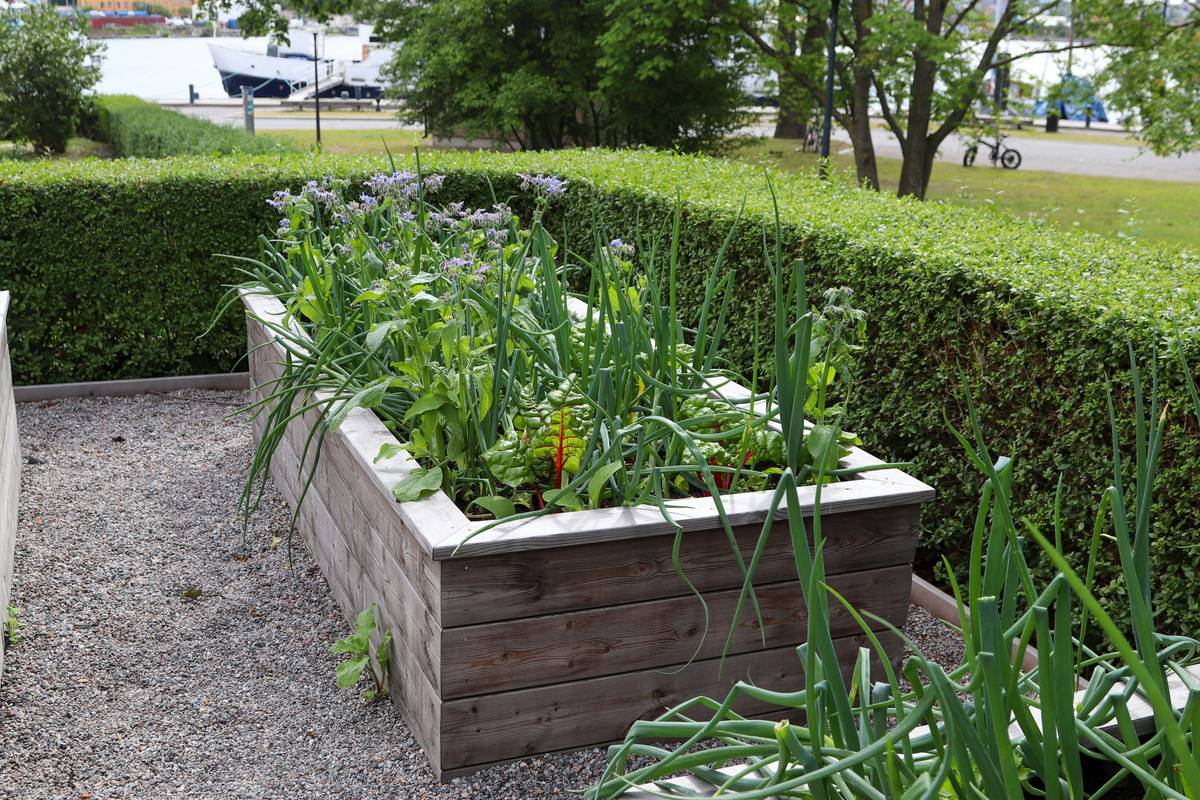
Your raised beds look gorgeous—solid cedar, hand-sanded edges, pride of your backyard. But within a year? Warped, cracked, grayed-out wood leaching who-knows-what into your kale and carrots. Most “eco” sealants still hide biocides or synthetic fungicides that migrate into soil. The solution isn’t to skip protection—it’s to use a safe wood preservative for vegetable garden that shields without sacrificing safety.
Why Store-Bought “Green” Sealants Often Fail Your Garden
That label says “non-toxic.” The marketing team calls it “plant-safe.” But dig into the Material Safety Data Sheet (MSDS), and you’ll often find copper naphthenate, alkyl ammonium compounds, or undisclosed “proprietary blends.” These don’t just sit inertly on wood—they leach. Rain washes them downward. Roots absorb them. And suddenly, your organic heirloom tomatoes are growing in chemically treated soil.
Worse, many DIY recipes online—like motor oil + beeswax (yes, people still do this) or linseed oil left to mildew—are either outright hazardous or invite fungal rot faster than untreated wood.
How to Preserve Garden Wood Without Poisoning Your Soil
Forget off-the-shelf promises. True safety means transparency, biodegradability, and zero heavy metals. Here’s how to do it right—with options that actually last.
Option 1: Pure Raw Linseed Oil (Not Boiled!)
Raw linseed oil penetrates deep, hardens slowly, and breaks down into harmless fatty acids. Never use boiled linseed oil—it contains metallic driers like cobalt or manganese that accumulate in soil. Raw = food-grade safe. Apply 2–3 coats over dry, sanded wood. Reapply annually.
Option 2: Beeswax + Citrus Solvent Blend
Melt 1 part beeswax into 4 parts d-limonene (citrus solvent). Brush onto warm wood. It repels water, resists UV graying, and decomposes into benign compounds. Bonus: smells like an orange grove, not a chemical plant.
Option 3: Fermented Pine Pitch (The Forgotten Forester’s Method)
This is where things get interesting. Traditional Scandinavian and Appalachian woodworkers used fermented pine resin—aged for months with rainwater and bark—to create a sticky, antimicrobial sealant. Modern labs confirm: the fermentation process neutralizes terpenes that could inhibit seed germination. It’s labor-intensive but lasts 5+ years and actively suppresses wood-decay fungi.
| Preservative Type | Cost per Sq Ft | Reapplication Interval | Soil Impact | DIY Difficulty |
|---|---|---|---|---|
| Raw Linseed Oil | $0.30 | 1 year | None – fully biodegradable | Easy |
| Beeswax + Citrus Blend | $0.75 | 2 years | Neutral – citrus breaks down fast | Moderate |
| Fermented Pine Pitch | $0.20 (if foraged) | 5+ years | Beneficial – antifungal properties | Hard |
| Commercial “Eco” Sealant | $1.20+ | 2–3 years | Risky – undisclosed additives common | Easy |
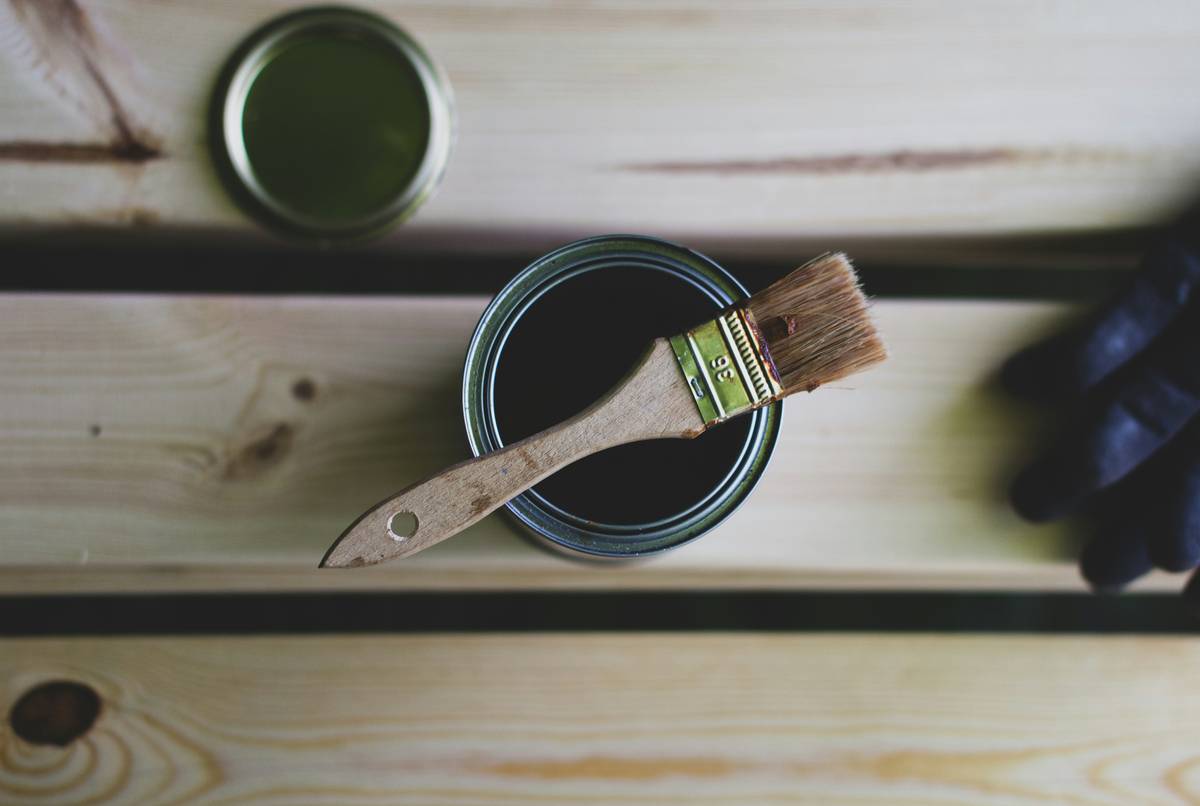
The Industry Secret: Thermal Modification Beats Chemicals Every Time
Here’s what big timber companies don’t want you to know: you can make wood inherently rot-resistant without any topical treatment. The method? Thermal modification. Heat wood to 390°F in a low-oxygen kiln. Sugars caramelize, cell walls collapse, moisture can’t penetrate—and fungi starve. No chemicals. Ever. The catch? Most small-scale gardeners think it’s out of reach. But backyard biochar kilns? They double as thermal modifiers. Load scrap wood, heat slow, cool sealed. Result: blackened, ultra-stable lumber that laughs at rain. It’s not a preservative—it’s prevention by design.
FAQ
Is linseed oil safe for vegetable gardens?
Only if it’s raw linseed oil. Boiled versions contain toxic metal driers. Raw linseed oil is food-safe and fully biodegradable.
Can I use vinegar as a wood preservative?
No. Vinegar accelerates wood degradation by breaking down lignin. It offers zero long-term protection and may lower soil pH unpredictably.
How often should I reapply natural wood preservatives?
Raw linseed oil: yearly. Beeswax blends: every 2 years. Fermented pitch or thermally modified wood: rarely, if ever. Inspect annually for graying or soft spots.