Your backyard deck is rotting. Again. You reach for that familiar can of chemical wood treatment—convenient, cheap, effective. But what if those chemicals are silently poisoning the soil, runoff, and the birds nesting nearby? Standard preservatives leak copper, arsenic, and synthetic biocides into ecosystems with every rainstorm. The solution isn’t to abandon wood—it’s to choose a wildlife friendly wood preservative that shields your structure while honoring the life around it.
Why Conventional Wood Preservatives Fail Wildlife (and Your Conscience)
Most “pressure-treated” lumber relies on alkaline copper quaternary (ACQ) or micronized copper azole (MCA). These sound scientific—but translate to heavy metals leaching into groundwater within months. Earthworms die. Pollinators avoid treated zones. Amphibians absorb toxins through their skin. And yet—builders keep using them because they’re cheap and code-compliant. Compliance ≠ safety. Not when frogs vanish from your garden pond.
How to Choose & Apply a Wildlife Friendly Wood Preservative
Going eco-friendly doesn’t mean sacrificing durability—if you know what actually works. Forget vague “natural” labels. Demand transparency on active ingredients. Here’s your battle-tested protocol:
Step 1: Audit Your Wood Type and Exposure
Softwoods like pine need more protection than cedar or redwood. Is your structure ground-contact? Full sun? High humidity? Match the preservative to the stressor—not just the price tag.
Step 2: Prioritize Non-Toxic Active Ingredients
Look for borates (sodium borate), linseed oil blends, or plant-based tannins. Avoid anything with “quaternary ammonium,” “azole,” or “copper naphthenate.” Borates deter fungi and insects without bioaccumulation. Linseed oil penetrates deep, feeding the wood—not just coating it.
Step 3: Apply Correctly—Depth Over Surface Shine
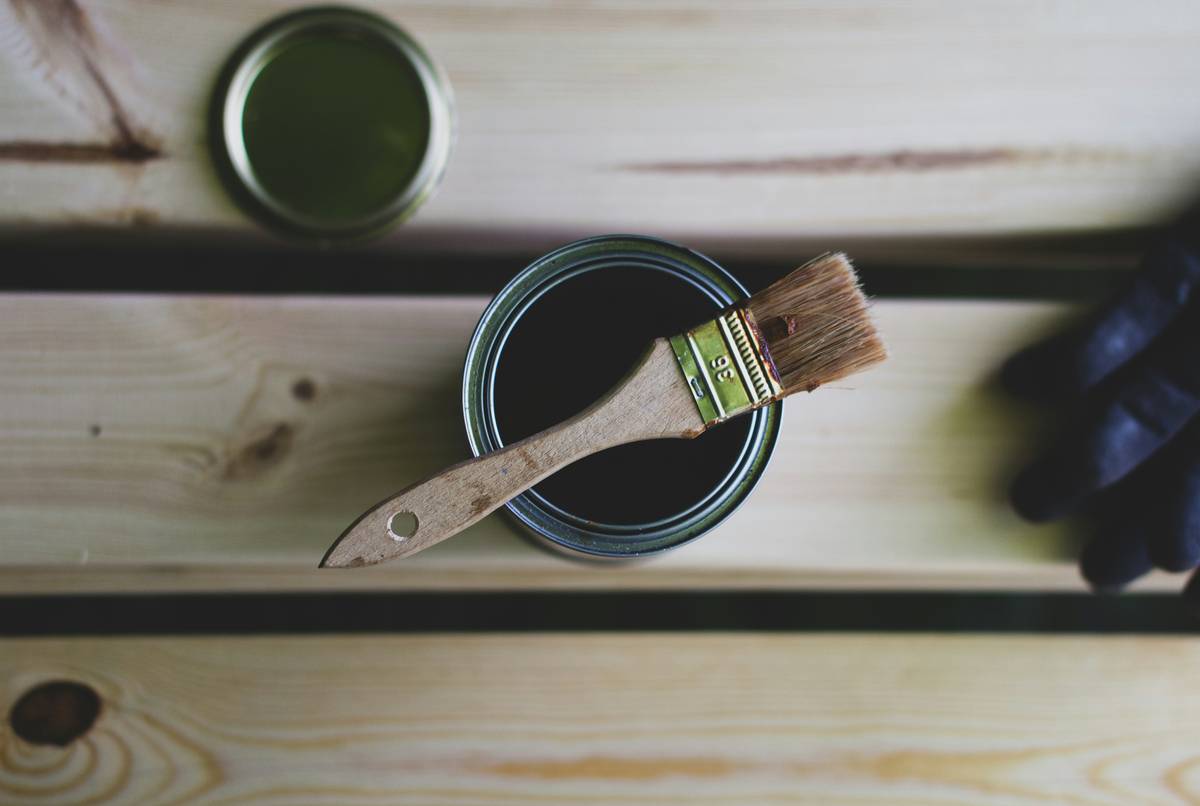
Two thin coats beat one thick slather. Use a brush—not a sprayer—to control runoff. Reapply annually in wet climates. Test absorption: if water beads, you’ve sealed too much. Wood needs to breathe.
| Preservative Type | Active Ingredients | Wildlife Safety Rating | Expected Lifespan (Years) | Avg. Cost per sq. ft. |
|---|---|---|---|---|
| Conventional ACQ | Copper + Quaternary Ammonium | Low (Toxic runoff) | 10–15 | $0.75 |
| Borate-Based | Sodium Borate | High (Non-toxic, breaks down safely) | 8–12 | $1.20 |
| Linseed Oil + Beeswax | Organic oils, natural waxes | Very High (Edible-grade safe) | 3–5 | $2.00 |
| Tannin-Rich Extract (e.g., quebracho) | Plant polyphenols | High (Biodegradable, soil-enhancing) | 7–10 | $1.50 |
The Industry Secret: Borates Are Underused (And Misunderstood)
Here’s what manufacturers won’t tell you: borate treatments fail prematurely only when applied to wood already exposed to rain or high moisture. Why? Borates are water-soluble. Once dry, they’re locked in. So—pre-treat kiln-dried lumber before installation. Or inject borate rods into post bases. Contractors skip this because it adds 20 minutes per job. But done right, borate-treated decks last over a decade and leave zero ecological debt. The math is simple: pay slightly more upfront—or pay nature forever.
FAQ: Wildlife Friendly Wood Preservative Questions Answered
Is “natural” always wildlife safe?
No. Some plant oils attract rodents. Others oxidize into skin irritants. Always check third-party eco-certifications like EcoCert or Green Seal—not marketing claims.
Can I use vinegar or lemon juice as preservative?
Absolutely not. Acids accelerate wood degradation. They offer zero fungal resistance and wash away in one rain. Save citrus for cooking.
Does wildlife friendly mean less durable?
Not if matched correctly. A borate-treated porch in Arizona outlasts toxic ACQ in Seattle. Durability depends on climate alignment—not just chemistry.